Why are factory direct class rings cheaper?
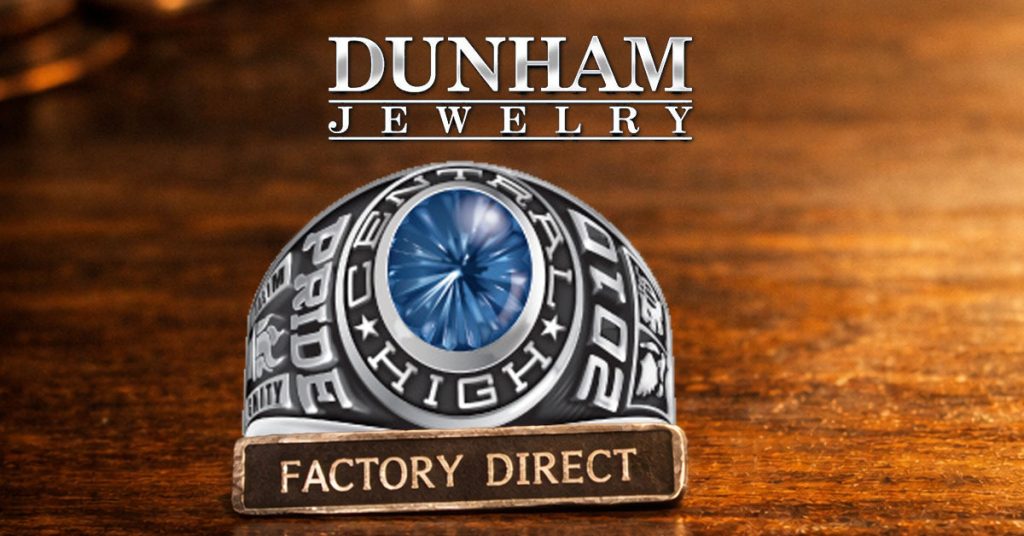
Factory direct class rings are cheaper because they remove middlemen, retail overhead, and branding markups. As a result, buyers pay primarily for materials and craftsmanship instead of distribution costs, commissions, and store expenses. This direct model often delivers equal or better quality at a lower price.
How the traditional class ring pricing model works
Most buyers assume higher price means better quality. However, that assumption breaks down once you examine the retail chain.
Typically, a class ring passes through multiple layers. First, a manufacturer produces the ring. Then, distributors, campus vendors, and retailers each add markup. By the time the ring reaches you, the price may reflect several layers of profit rather than actual value.
In contrast, factory direct eliminates these steps. Therefore, pricing becomes more transparent and tied to real inputs like metal and labor.
Factory direct vs retail pricing breakdown
| Cost Factor | Factory Direct Model | Traditional Retail Model |
|---|
| Manufacturing | Included | Included |
| Middleman Markups | None | Multiple layers |
| Retail Overhead | Minimal | High (stores, staff, commissions) |
| Branding Costs | Low | High |
| Customization Flexibility | High | Often limited |
| Final Price | Lower, value-based | Higher, markup-driven |
Why removing middlemen changes everything
The biggest cost driver is not the ring itself. It is the system around it.
When you buy through a traditional retailer, you are paying for sales teams, storefronts, and distribution logistics. Meanwhile, factory direct brands bypass these entirely. Because of that, the same materials and craftsmanship cost significantly less.
Additionally, direct communication with the manufacturer improves accuracy. You get exactly what you design instead of selecting from limited inventory.
This is why factory direct rings can cost up to 50% less in some cases
You are paying for materials—not marketing
Branding plays a larger role than most buyers realize.
Retail companies invest heavily in marketing, sponsorships, and campus partnerships. Consequently, those costs are built into the price of every ring sold.
Factory direct companies operate differently. Instead of investing heavily in brand perception, they focus on production quality. Therefore, your money goes into gold purity, stone setting, and craftsmanship—not advertising.
This shift is subtle but financially significant.
Handcrafted quality vs mass production
Lower cost does not always mean lower quality. In fact, the opposite can be true.
Many factory direct rings are made one at a time. This process allows for sharper engraving, better finishing, and stronger construction. Meanwhile, mass-produced rings often prioritize speed over detail.
For example, individually crafted rings tend to have cleaner lines and more durable settings. As a result, they can last longer despite costing less upfront.
This approach aligns with fine jewelry standards rather than bulk manufacturing.
Metal choices and cost control
Another reason factory direct rings cost less is flexibility in materials.
Instead of pushing one premium option, manufacturers often provide multiple metal choices. These include:
- Palisil (white gold appearance, non-precious)
- Questra (affordable 6k gold)
- Sterling silver (.925)
- 10k, 14k, and 18k gold options
Because of this range, buyers can control cost without sacrificing design. Retailers, however, often limit options to higher-margin products.
Customization without added markup
Customization is where pricing differences become obvious.
Retail systems often treat customization as an upgrade. Each engraving, symbol, or change adds cost. Meanwhile, factory direct models integrate customization into the process.
As a result, you can personalize your ring without stacking fees. This includes mascots, graduation year, initials, or personal symbols.
Therefore, the final price reflects your choices—not a rigid pricing structure.
Transparency builds long-term value
Trust is a hidden factor in pricing.
Factory direct manufacturers tend to emphasize transparency. You know the metal content, the process, and what you are paying for. This clarity reduces uncertainty and improves perceived value.
Additionally, many direct manufacturers offer lifetime warranties. That signals confidence in durability and craftsmanship, not just sales volume.
Over time, this creates stronger customer satisfaction compared to retail experiences.
Why cheaper does not mean lower quality
The word “cheaper” often triggers skepticism. That reaction is understandable.
However, in this case, lower cost comes from efficiency—not shortcuts. Removing middlemen, reducing overhead, and simplifying distribution all reduce price without affecting materials or craftsmanship.
In fact, factory direct often improves quality control. Because the manufacturer handles everything, fewer variables affect the final product.
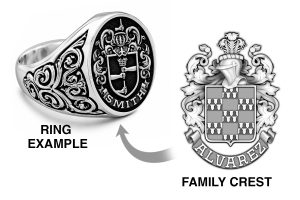
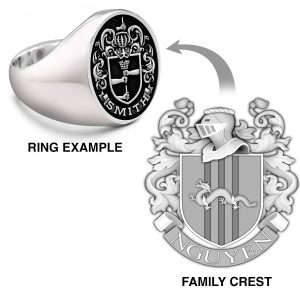
Check out our 2 cheaper options:
Therefore, the better question is not “why is it cheaper?” but “why was it expensive before?”
The real takeaway for buyers
If you are comparing class rings, pricing alone can mislead you.
Instead, focus on what drives the cost:
- Materials (gold, silver, alloys)
- Craftsmanship (handmade vs mass-produced)
- Business model (direct vs retail chain)
Factory direct pricing aligns closely with these factors. Retail pricing often does not.
That difference explains why two similar rings can have drastically different prices.