
History of Family Crests: Origins, Meaning, and Modern Legacy
The history of family crests dates back to the 12th century, when knights used visual symbols for identification in battle.
Over time, these symbols evolved into hereditary emblems representing lineage, status, and identity. Today, family crests remain powerful symbols of heritage, often seen in jewelry, art, and personal branding.
The Origins of Family Crests in Medieval Europe
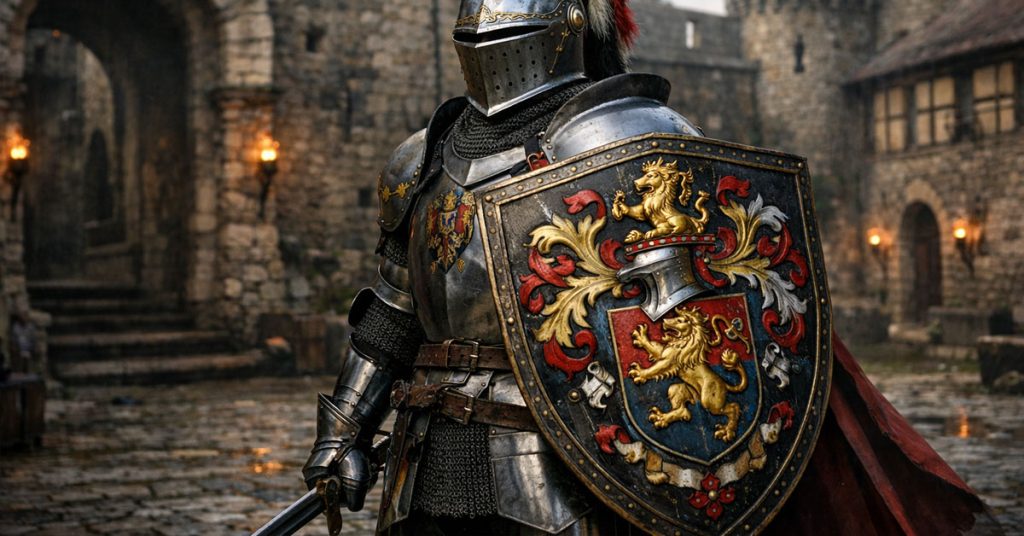
The history of family crests begins with a practical problem. During the 1100s, knights wore full armor that hid their identity. As a result, distinguishing allies from enemies became difficult.
To solve this, warriors painted symbols on shields and wore decorated garments. These markings later became known as coats of arms. Meanwhile, the crest itself appeared as a three-dimensional emblem mounted on a helmet.
Over time, these symbols became more than battlefield tools. They evolved into markers of identity and honor.
Key Elements of Heraldry and Their Meaning
| Component | Description | Purpose |
|---|---|---|
| Shield (Arms) | Main visual symbol | Identifies the individual/family |
| Crest | Symbol on top of helmet | Personal distinction |
| Helm | Helmet design | Indicates rank |
| Torse (Wreath) | Twisted cloth | Connects crest to helm |
| Motto | Short phrase | Expresses values |
| Supporters | Animals or figures beside shield | Symbolize strength or alliances |
The Rise of Heraldry and Family Identity
As heraldry spread across Europe, it became formalized. Institutions like England’s College of Arms began regulating designs. This ensured each symbol remained unique.
Additionally, family crests transitioned from personal markers to hereditary symbols. Fathers passed them down to sons. As a result, crests became tied to lineage and legacy.
Meanwhile, their use expanded beyond knights. Clergy, merchants, and universities adopted heraldic symbols. This shift shows how identity and status became deeply visual during this era.
From Battlefield Tool to Status Symbol
By the 1600s, warfare changed. Gunpowder made heavy armor obsolete. Therefore, the original purpose of family crests disappeared.
However, the symbolism remained strong. Crests became ceremonial and decorative. Wealthy families displayed them on buildings, documents, and jewelry.
In contrast to their early use, these symbols now communicated prestige rather than survival. Most importantly, they preserved family stories and values.
Common Misconceptions About Family Crests
Many people believe every surname has a unique crest. However, this is not accurate.
Historically, crests were granted to individuals, not entire families. This means only direct descendants have a legitimate claim. Modern mass-produced “family crest” items often ignore this distinction.
Therefore, it is important to approach heritage with accuracy. Understanding true lineage adds more value than generic symbolism.
Modern Uses of Family Crests
Today, the history of family crests continues in new forms. For example, they appear in branding, logos, and especially jewelry.
Family crest rings have become a popular way to express identity. These rings connect modern individuals to historical roots. In many cases, they are custom-designed to reflect personal heritage.
Additionally, design styles have evolved:
- Raised designs create a bold, elevated look
- Engraved styles offer refined detail
- Reversed (seal) designs allow wax stamping functionality
These options show how tradition adapts to modern preferences while maintaining meaning.
Why Family Crests Still Matter Today
Even in a digital world, identity remains important. Family crests provide a tangible link to the past.
Moreover, they serve as conversation starters. People often use them to explore genealogy and heritage. This creates deeper connections across generations.
From a psychological perspective, symbols reinforce belonging. Wearing or displaying a crest can strengthen personal identity.
How to Use Family Crest History in Modern Decisions
Understanding the history of family crests helps you make better choices today.
For example:
- When designing a crest ring, accuracy matters more than decoration
- Choosing symbols with meaning creates lasting value
- Verifying lineage avoids misinformation
Most importantly, customization allows you to blend tradition with personal identity. This is where modern craftsmanship meets historical depth.