Choosing the Right Birthstones for a Mother’s Ring
Choosing the right birthstones for a mother’s ring means selecting gemstones that represent each child while balancing color, durability, stone order, and design style. The best choice considers symbolism, daily wear strength, metal compatibility, and long-term heirloom quality so the ring remains beautiful and meaningful for decades.
A mother’s ring is more than jewelry. It tells a story. Each stone represents a child, a birth month, and a bond that lasts a lifetime.
However, not all birthstones are equal in durability or design flexibility. Therefore, choosing wisely ensures the ring remains strong, beautiful, and timeless.
Birthstone Selection Factors at a Glance
| Factor | Why It Matters | Expert Insight | Best Practice |
|---|---|---|---|
| Stone Color Matching | Visual harmony | Clashing tones can overpower the design | Group complementary shades |
| Durability of Stones | Daily wear resistance | Softer stones scratch easily | Consider protective settings |
| Mothers Ring Birthstone Order | Emotional meaning | Order changes symbolism | Choose birth order or center focus |
| Mothers Ring Stone Shapes | Design flow | Shape affects sparkle and comfort | Mix shapes carefully |
| Metal Choice | Color contrast & strength | Metal impacts stone brightness | Match metal tone to stone color |
| Setting Style | Security & appearance | Weak settings risk stone loss | Use prong or bezel for durability |
| Engraving Options | Personalization | Adds heirloom value | Include names or dates |
| Heirloom Quality | Long-term value | Quality determines longevity | Choose precious metals when possible |
Understanding Birthstone Meaning and Symbolism
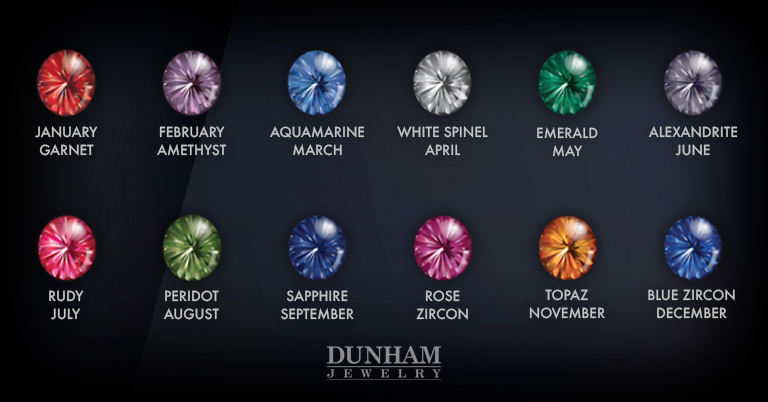
Each birthstone carries symbolism. For example, garnet represents protection, while sapphire symbolizes wisdom. Therefore, your selection becomes deeply personal.
Additionally, some families choose stones based on traits instead of months. In contrast, others strictly follow traditional birth month charts. Either approach works. What matters most is meaning.
Meanwhile, consider whether symbolism aligns with the child’s personality. That small detail adds emotional depth.
Which Birthstones for Mom’s Ring Work Best for Daily Wear?
Durability matters more than many realize. Some stones are hard and resist scratches. Others are soft and chip easily.
For instance, sapphire and ruby rank high on the hardness scale. Therefore, they work well for everyday wear. Meanwhile, opal and pearl require more care.
If your mother wears her ring daily, durability should guide your decision. Otherwise, you risk frequent repairs.
A professional jeweler will always discuss stone strength before finalizing the design.
Mothers Ring Birthstone Order: Does It Matter?
Yes, it matters. Order changes visual balance and emotional symbolism.
Traditionally, stones are placed by birth order. The oldest child appears first. However, some designs feature the mother’s birthstone in the center.
Additionally, symmetrical layouts look balanced when you have three or five stones. Meanwhile, stacked or vertical settings create a modern look.
There is no single rule. Instead, choose an order that feels meaningful and visually pleasing.
Mothers Ring with Multiple Birthstones: Balancing Color
Color harmony makes or breaks the design.
If you combine bold tones like ruby and emerald, the ring can appear vibrant. However, adding amethyst or aquamarine may soften the look.
Therefore, think about stone color matching. Jewelers often suggest grouping cool tones together or warm tones together.
In contrast, a mixed rainbow style creates a lively effect. That works well in modern settings. Classic designs typically favor subtle blends.
Mothers Ring Stone Shapes and Their Impact
Stone shape changes the personality of the ring.
Round stones offer timeless sparkle. Meanwhile, oval stones elongate the finger. Marquise shapes add drama.
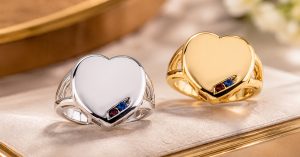
Additionally, heart shapes feel sentimental. However, they may not suit every layout.
If combining multiple stones, keep shape consistency for harmony. Mixing shapes can work, but it requires thoughtful spacing.
Professional designers often recommend sticking to one dominant shape for cohesion.
Setting Style and Stone Security
The setting protects the stones. Therefore, it is just as important as the stones themselves.
Prong settings allow more light and sparkle. However, they expose edges. Bezel settings surround the stone with metal, offering greater protection.
Channel settings work well for multiple birthstones placed side by side. Meanwhile, cluster designs create a floral look.
If heirloom quality is your goal, secure settings should be a priority.
Metal Choice: Gold, Silver, or Custom Alloys?
Metal dramatically affects appearance.
Yellow gold warms up cooler stones like blue topaz. In contrast, white gold or sterling silver enhances vibrant stones like garnet.
Additionally, higher karat gold offers richer color but may be softer. Therefore, many families choose 10k or 14k for balance.
Sterling silver is affordable and elegant. However, gold offers greater long-term heirloom value.
Choosing the right metal ensures both durability and aesthetic harmony.
Engraving and Personalization Options
Engraving adds depth to meaning.
Names, initials, or birthdates can be included inside the band. Therefore, the ring becomes uniquely personal.
Some families also engrave short phrases like “My Greatest Blessings.” Meanwhile, others include anniversary dates.
Although engraving is small, its emotional impact is significant.
Designing for Heirloom Quality
Heirloom quality means planning for decades, not years.
Choose durable stones. Select solid metals. Additionally, avoid overly delicate designs.
A well-made mother’s ring can be passed down. Consequently, craftsmanship matters.
Families often upgrade stones or reset rings over time. That flexibility increases long-term value.
Practical Design Framework for Choosing the Right Birthstones for a Mother’s Ring
Follow this step-by-step approach:
- List each child’s birth month.
- Evaluate durability of each stone.
- Decide on birthstone order.
- Select metal based on color harmony.
- Choose setting style for protection.
- Add engraving if desired.
This structured process removes guesswork. As a result, you make a confident choice.
Common Mistakes to Avoid
Many buyers focus only on color. However, durability often gets ignored.
Others choose too many contrasting tones without balance. Consequently, the ring looks busy.
Additionally, thin bands weaken over time. Therefore, invest in structural strength.
Working with experienced jewelers prevents these issues before production begins.
FAQ: Choosing the Right Birthstones for a Mother’s Ring
What is the best order for birthstones in a mother’s ring?
Most families place stones in birth order from oldest to youngest. However, some center the mother’s birthstone for symbolic emphasis. Ultimately, the best order reflects personal meaning and visual balance.
Can I mix different stone shapes in one ring?
Yes, you can. However, mixing shapes requires careful spacing to maintain harmony. For a cleaner look, many designers recommend using one primary shape.
Are all birthstones durable for daily wear?
No. Stones like sapphire and ruby are strong. Meanwhile, opal and pearl are softer and need protective settings. Always consider durability before finalizing your design.
What metal works best with multiple birthstones?
White metals highlight vibrant stones, while yellow gold enhances cool tones. Therefore, choose metal based on color harmony and long-term durability goals.
Can a mother’s ring be redesigned later?
Yes. Many jewelers offer resetting or upgrading services. Consequently, the ring can evolve as your family grows.
Custom Mother’s Rings as Heirloom Jewelry are not just gifts. When designed properly, they become family history in wearable form.
Post Views: 645