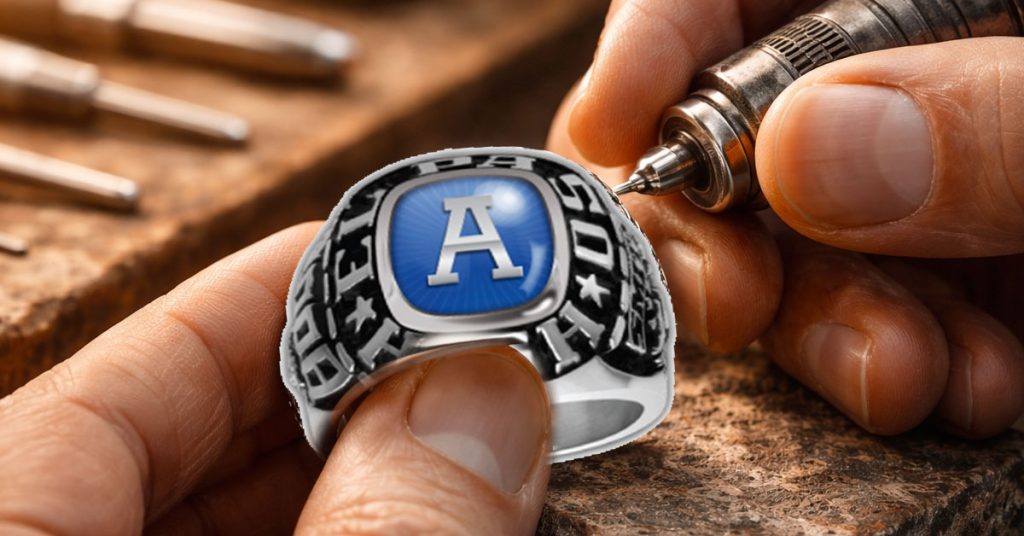
Mass-Produced Rings vs Made-One-at-a-Time Rings
Mass-Produced Rings vs Made-One-at-a-Time Rings comes down to process, precision, and long-term value. Mass-produced rings are created in bulk using standardized molds and automated systems. In contrast, made-one-at-a-time rings are individually crafted, shaped, and finished by hand, allowing better fit, finer detail, and stronger quality control.
When buyers compare machine made rings vs handmade rings, they often focus on price first. However, cost is only one factor. Quality, comfort, material transparency, and durability matter far more over time.
In contrast, a handcrafted ring involves direct oversight at every step. Because each piece is individually inspected, problems are corrected before delivery. As a result, long-term satisfaction is typically higher.
Key Differences at a Glance
| Factor | Mass-Produced Rings | Made-One-at-a-Time Rings |
|---|
| Production Volume | Manufactured in bulk | Crafted individually |
| Fit & Comfort | Standard sizing | Adjusted and refined per order |
| Finishing Details | Machine polished | Hand-finished and inspected |
| Quality Control | Batch inspection | Individual inspection |
| Material Transparency | Often unspecified alloys | Clear metal sourcing |
| Long-Term Durability | Varies by manufacturer | Designed for longevity |
| Customization | Limited options | Highly customizable |
| Warranty Support | Often limited | Often lifetime-backed |
What “Mass-Produced” Really Means
Mass-produced rings are created using large-scale casting systems. Molds are reused repeatedly. Machines polish surfaces quickly. Therefore, production speed is high and costs are reduced.
However, efficiency comes with trade-offs. Small imperfections may go unnoticed. Edges may feel slightly sharp. Details may look less defined under close inspection.
Meanwhile, metal blends are often pre-mixed in bulk. Buyers may not know the purity source. Although many factory rings look attractive at first glance, internal density and finishing consistency can vary.
What “Made-One-at-a-Time” Truly Involves
Made-one-at-a-time rings follow a different path. First, the design is prepared specifically for the individual. Next, the casting or sculpting is handled with focused attention. After that, finishing and polishing are completed by hand.
Because every ring is handled individually, adjustments are possible. For example, interior comfort curves can be refined. Edges can be softened. Details can be sharpened.
Additionally, this approach allows real-time inspection. If something looks off, it is corrected immediately. Consequently, the final product reflects precision instead of speed.
Fit and Comfort: The Overlooked Factor
Fit is rarely discussed in marketing. Yet comfort determines whether a ring becomes part of daily life.
Mass production relies on preset molds. Although sizing charts are used, subtle variations in finger shape are not considered. As a result, rings may feel tight at the knuckle or loose at the base.
In contrast, made-one-at-a-time rings can be shaped for balance. Interior edges are often smoothed by hand. Therefore, the ring slides on more naturally and rests more comfortably throughout the day.
Over time, comfort matters more than appearance.
Finishing Details: Machine vs Human Eye
Machines polish quickly and evenly. However, they do not evaluate artistry. They simply follow programmed motion.
An artisan, on the other hand, evaluates each surface. Light reflection is examined. Depth of engraving is checked. Edges are refined manually.
Moreover, hand-finishing ensures consistency in design elements such as lettering, crests, or emblems. Small refinements create visible differences under natural light.
Because of this, artisan jewelry vs mass produced jewelry often shows superior detail.
Quality Control: Batch vs Individual Inspection
In factory settings, quality control often happens in batches. Inspectors review samples rather than every piece. Therefore, minor flaws can slip through.
Made-one-at-a-time production typically involves individual review. Each ring is checked before shipment. This step reduces returns and resizing issues.
Additionally, accountability is clearer. When a craftsperson oversees the piece, ownership of quality is direct.
That difference may not show in photos. However, it shows over years of wear.
Materials Transparency and Metal Integrity
Metal quality affects durability. Some factory rings use blended alloys that prioritize cost reduction. While legally acceptable, they may vary in density.
In contrast, artisan production often begins with clearly sourced metals. For example, gold may be purchased in high-purity form and alloyed to industry standards.
Because of that, structural strength improves. Long-term wear resistance increases. Moreover, transparency builds trust.
When discussing custom ring quality, metal sourcing matters more than surface shine.
Long-Term Durability and Maintenance
Durability depends on density, finishing, and inspection. Mass-produced rings may look identical at purchase. Yet over time, weaker casting or uneven finishing can lead to wear issues.
Meanwhile, handcrafted rings often undergo stronger finishing processes. Edges are reinforced. Interiors are smoothed. Structural thickness is reviewed.
As a result, long-term durability improves. Additionally, warranty support is often stronger when rings are individually crafted and guaranteed.
Over decades, that difference becomes obvious.
Customization: Surface-Level vs Structural
Mass production allows surface customization. For example, stones or engravings can be selected from preset options.
However, deeper structural changes are limited. Mold-based systems restrict variation.
Made-one-at-a-time rings allow structural flexibility. Emblems can be repositioned. Band width can be adjusted. Interior messages can be integrated into the sculpting stage.
Therefore, personalization becomes meaningful instead of decorative.
How to Decide Which Is Right for You
If you want fast and standardized, mass production may fit your needs.
However, if you value:
- Fit and comfort
- Finishing details
- Material transparency
- Long-term durability
- Strong warranty support
Then a made-one-at-a-time ring is likely the smarter choice.
Ultimately, rings mark milestones. Graduation. Achievement. Legacy. Therefore, the method of creation should reflect the meaning behind the piece.