10k White Or Yellow Gold for Custom Rings And Fine Jewelry
10k White Or Yellow Gold for Custom Rings And Fine Jewelry offers strong durability, real gold value, and long-term wearability at an accessible price. Both options contain 41.7% pure gold, yet they differ in color, alloy mix, and style. Choosing between them depends on lifestyle, skin tone, and design preference.
When selecting gold for a custom ring, many buyers assume higher karat always means better. However, that is not always practical. In fact, 10k gold is often the most durable choice for rings worn daily.
Additionally, both white and yellow 10k gold provide real precious metal content while keeping costs controlled. Because custom rings endure daily impact, hardness and structure matter just as much as appearance.
10k Gold Composition and Industry Standards
| Feature | 10k Gold (White or Yellow) | 14k Gold | 18k Gold |
|---|
| Gold Content | 41.7% pure gold | 58.3% | 75% |
| Durability | Very High | Moderate-High | Softer |
| Scratch Resistance | Strong | Moderate | Lower |
| Price Range | Most Affordable Gold Option | Mid-Range | Premium |
| Ideal For | Class rings, championship rings, daily wear | Fine jewelry | Luxury pieces |
| Resizable | Yes | Yes | Yes |
| Industry Compliance | Meets U.S. National Stamping Act | Yes | Yes |
All gold used in quality manufacturing should meet strict legal standards. For example, reputable manufacturers alloy pure .9995 gold to meet U.S. National Stamping Act requirements. Therefore, 10k gold is not “cheap gold.” It is regulated and legally defined.
What Makes 10k White Gold Different?
10k white gold blends pure gold with white metals such as nickel, palladium, or zinc. As a result, the alloy appears silvery-white rather than warm yellow.
Most white gold is rhodium plated. This plating enhances brightness and scratch resistance. However, over time, rhodium may need reapplication. Fortunately, this process is simple and affordable.
In terms of strength, white 10k gold is extremely durable. Because of its higher alloy content, it resists bending better than higher karat options. Consequently, it is ideal for detailed engraving and stone settings in custom rings.
What Makes 10k Yellow Gold Different?
10k yellow gold blends pure gold with copper and silver. Therefore, it maintains a warm, classic tone that never goes out of style.
Unlike white gold, yellow gold does not require rhodium plating. As a result, its color remains consistent over time. Scratches may occur, yet they are often less visible due to the natural tone.
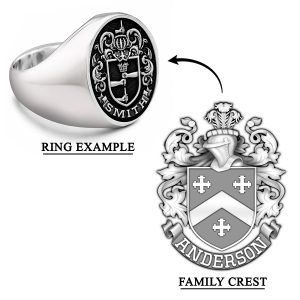
Additionally, yellow gold is often preferred for traditional class rings, family crest rings, and military styles. Its rich appearance communicates heritage and prestige without the premium cost of higher karat gold.
Durability: Why 10k Is Often the Smartest Choice
Daily-wear rings take abuse. They hit desks, weights, steering wheels, and gym equipment. Therefore, softness becomes a real issue.
Because 10k gold contains more strengthening alloys, it is harder than 14k and 18k gold. In contrast, higher karat gold bends more easily. That difference matters for championship rings or custom graduation rings worn daily.
Moreover, 10k gold holds stones securely. Prongs remain stronger over time, which reduces the risk of stone loss.
Cost Comparison: White vs. Yellow 10k Gold
Price differences between white and yellow 10k gold are minimal. However, white gold may include a small premium due to rhodium finishing.
Nevertheless, both options remain significantly more affordable than 14k or 18k gold. Therefore, 10k is often the best balance of cost and performance for custom pieces.
For buyers working within a budget, 10k gold allows larger designs or upgraded stones without exceeding financial limits.
Skin Tone and Style Considerations
Style plays a major role in selection. White gold pairs well with cooler skin tones and modern designs. Meanwhile, yellow gold complements warmer tones and classic aesthetics.
If your wardrobe includes silver watches or platinum chains, white gold blends seamlessly. On the other hand, yellow gold matches traditional gold accessories.
However, trends should not outweigh practicality. A ring worn daily must fit your lifestyle first and fashion second.
Resizing and Long-Term Flexibility
Unlike alternative metals, 10k gold rings can be resized. That flexibility matters for graduation rings and milestone pieces.
In contrast, non-precious alloys like Palisil are made to exact size and cannot be resized. Therefore, long-term wear may be limited if finger size changes.
Because 10k gold allows resizing, it offers greater lifetime value.
10k Gold vs. Alternative Metals
Some buyers compare 10k gold to plated alloys or lower karat options like 6k gold. However, not all materials perform equally.
Plated alloys may look similar at first. Yet, over time, plating can wear off. Meanwhile, solid 10k gold retains intrinsic value because it contains real precious metal.
Additionally, sterling silver is affordable but softer. Consequently, silver scratches more easily in heavy-use rings.
For serious custom rings, solid gold remains the benchmark.
Manufacturing Integrity and Material Transparency
Material transparency matters. Buyers should know exactly what they are purchasing.
High-integrity manufacturers purchase gold in near-pure form and alloy it to precise industry standards. Therefore, the final product meets stamping regulations and legal definitions of karat content.
Moreover, reputable jewelers clearly explain metal content, resizing options, and long-term care. That transparency builds trust and protects buyers.
Which Is Better: 10k White or 10k Yellow?
There is no universal “better.” Instead, the correct choice depends on:
- Daily wear intensity
- Personal style
- Maintenance preferences
- Budget goals
If you prefer low maintenance, yellow gold avoids rhodium upkeep. However, if you favor a modern finish, white gold offers a sleek look.
From a durability standpoint, both perform nearly identically. Therefore, the decision is aesthetic rather than structural.
Who Should Choose 10k Gold for Custom Rings?
10k gold is ideal for:
Because these pieces are worn often, strength and security matter. Consequently, 10k gold becomes a logical choice for long-term durability.