Antique Class Rings: The Complete Guide to History, Value, and Timeless Design
Antique class rings are vintage-inspired or original rings, often made before the 1980s, that symbolize academic achievement and craftsmanship. They are valued for their durable materials, detailed engraving, and historical significance, making them both meaningful keepsakes and collectible pieces of jewelry.
Antique class rings stand apart from modern designs because they were built to last. Many were crafted from solid gold or sterling silver, which gives them both durability and long-term value. Additionally, their designs reflect a time when jewelry was made with more hands-on detail and care.
Today, interest in antique class rings is growing again. Buyers are drawn to their character, weight, and history. However, not every “antique-style” ring offers the same quality. Understanding materials, craftsmanship, and customization options is essential before making a decision.
Antique Class Rings at a Glance
| Feature | Antique Class Rings | Modern Class Rings |
|---|---|---|
| Era | Pre-1980s or vintage-inspired | Contemporary |
| Materials | Gold, sterling silver, early alloys | Wide range including alloys |
| Craftsmanship | Hand-finished, detailed engraving | Often mass-produced |
| Value | High due to metal + history | Varies widely |
| Customization | Limited (originals) / High (modern antique-style) | High |
| Durability | Built for lifetime wear | Depends on material |
| Investment Potential | Strong for gold/silver pieces | Lower for non-precious metals |
What Defines Antique Class Rings
Antique class rings are not just old rings. They represent a different era of manufacturing. Most were made individually or in small batches, which allowed for deeper engraving and stronger construction.
Because of this, many antique rings still look sharp today. Their details remain visible even after decades of wear. In contrast, lower-quality modern rings often lose detail over time.
Moreover, antique rings often feature bold shapes, raised stones, and intricate side panels. These design elements are now being replicated in modern custom rings to capture that same timeless appeal.
Why Antique Class Rings Hold Value
Several factors influence the value of antique class rings. First, precious metal content plays a major role. Gold and silver retain intrinsic value regardless of design trends.
Second, craftsmanship matters. Older rings often feature deeper engravings and stronger stone settings. These details increase both durability and desirability.
Finally, historical significance adds another layer. Rings tied to specific schools, eras, or achievements can become collectible items over time.
As a result, antique rings often function as both sentimental pieces and long-term assets.
Popular Antique Class Ring Styles
Antique class rings come in a variety of recognizable styles. Many of these designs continue to influence modern custom rings.
Common styles include:
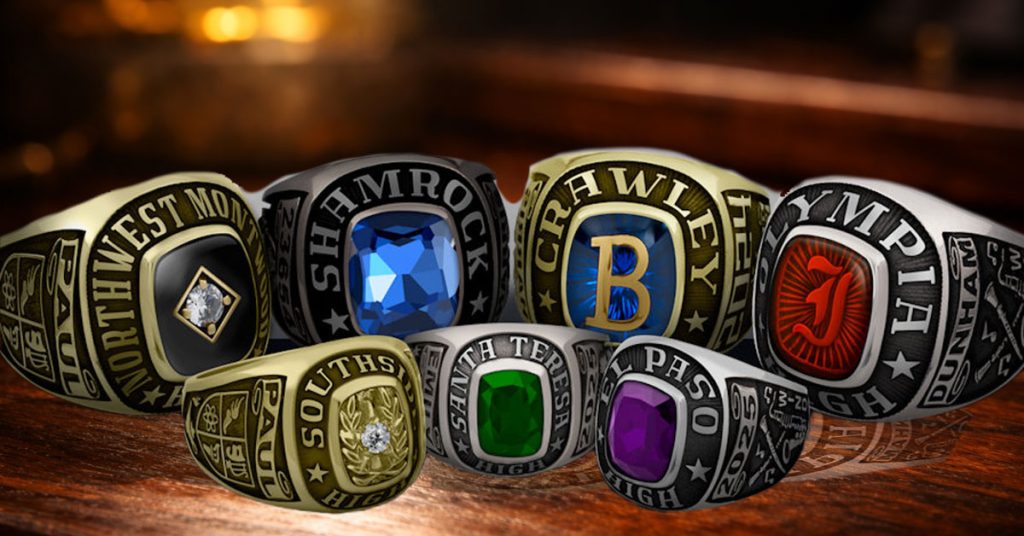
Original gemstone center designs
Panel-top rings with enamel or engraving
Pave and encrusted stone settings
Raised “stadium” or bold top designs
Classic oval or signet-inspired shapes
These styles are still popular because they balance visibility and meaning. A well-designed antique ring communicates identity at a glance.
Modern manufacturers now recreate these styles while allowing full customization.
Antique vs Antique-Style Class Rings
There is an important distinction between true antique rings and antique-style designs.
True antique rings are original pieces. They may show wear, and sizing options are limited. However, they carry authentic historical value.
Antique-style rings, on the other hand, are newly made but inspired by vintage designs. These offer more flexibility in sizing, customization, and material choice.
For many buyers, antique-style rings provide the best balance. You get the look of history with the reliability of modern craftsmanship.
Customizing Antique-Style Class Rings Today
Customization is where antique-style rings outperform original vintage pieces. You can combine classic design with personal meaning.
Popular customization options include:
- Graduation year and school name
- Mascots or academic symbols
- Gemstone color selection
- Side panel engravings
- Personal messages inside the band
Each ring becomes unique. Unlike mass-produced options, custom rings reflect individual identity and experience.
Additionally, modern production allows each ring to be made one at a time. This ensures higher attention to detail and better overall finish.
Are Antique Class Rings Worth Buying Today?
The answer depends on what you value most.
If you want historical authenticity, original antique rings offer unmatched character. However, they may come with wear and limited customization.
If you want durability, personalization, and long-term wear, antique-style rings are often the smarter choice. You can select better materials and ensure proper fit.
Either way, the key is to focus on craftsmanship and material quality. A ring should last decades, not just a few years.
How to Choose the Right Antique Class Ring
Start by deciding your priority. Is it history, appearance, or longevity?
Next, evaluate the material. Gold and sterling silver offer the best long-term value. Alloy-based rings may look similar but behave differently over time.
Then, consider design. Choose a style that reflects your personality and achievements. A ring should feel meaningful every time you wear it.
Finally, pay attention to craftsmanship. Clean engraving, strong settings, and balanced proportions make a noticeable difference.
The Future of Antique Class Rings
Interestingly, antique class rings are becoming more popular again. Many buyers are moving away from generic designs and looking for something with depth and story.
This trend suggests a shift toward quality over quantity. Instead of buying disposable jewelry, people want pieces that last and mean something.
As a result, antique-inspired customization is likely to continue growing. The combination of tradition and personalization creates a powerful emotional connection.
FAQs
What are antique class rings made of?
Most antique class rings are made from gold or sterling silver. Some modern versions use alloys like Palisil. However, precious metals hold better long-term value and durability.
Are antique class rings valuable?
Yes, especially if they are made from gold or silver. Their value comes from both material content and craftsmanship. Historical significance can also increase value.
Can antique class rings be resized?
It depends on the material. Gold and silver rings can usually be resized. However, some alloy-based rings cannot be resized at all.
What is the difference between vintage and antique class rings?
Antique rings are typically older than 20–30 years. Vintage can include newer items inspired by older styles. Antique-style rings are modern recreations of older designs.
Are antique-style class rings better than original antiques?
Not always better, but often more practical. They allow customization, better fit, and modern durability while still capturing vintage design.
Post Views: 459