Class Rings 1960s
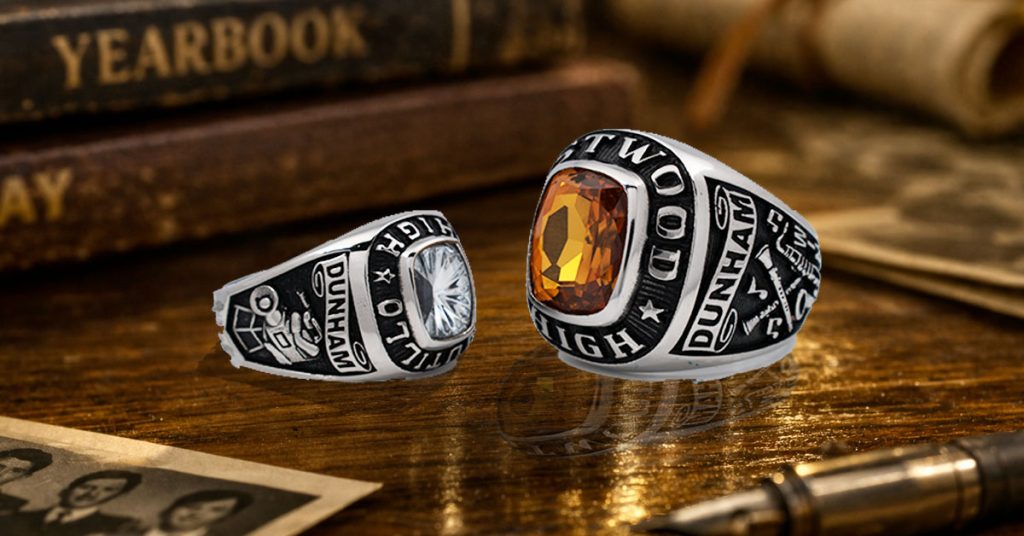
Class rings from the 1960s are bold, heavy rings typically made from 10k or 14k gold. They feature large gemstones, detailed engravings, and strong school symbolism. These rings reflect pride, identity, and tradition, making them highly collectible and still influential in modern custom ring design.
The Defining Look of Class Rings 1960s
Class rings from the 1960s stand out immediately. They are larger, heavier, and more detailed than most modern designs. Most importantly, they were built to last, not just to look good.
During this era, students wanted rings that made a statement. As a result, designs featured bold shapes, deep engravings, and highly visible stones. These rings were not subtle—they were symbols of achievement and identity.
Key Features That Defined 1960s Class Rings
The 1960s introduced several design elements that still influence ring styles today. These features created a timeless look that many people still want.
| Feature | Description | Why It Matters |
|---|---|---|
| Heavy Gold Construction | Typically 10k or 14k yellow gold | Durable and valuable |
| Large Center Stone | Ruby, sapphire, spinel, or glass | Eye-catching focal point |
| Detailed Side Panels | Graduation year, mascots, symbols | Personal storytelling |
| Bold Lettering | School name engraved prominently | Strong identity |
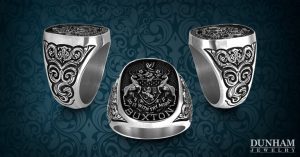
| Signet Options | Crest-based designs without stones | Classic alternative |
Popular Gemstones in Class Rings 1960s
Gemstones played a major role in defining the look of these rings. In fact, the stone often became the centerpiece of the entire design.
Common choices included:
- Sapphire (deep blue and most popular)
- Ruby (bold red tones)
- Green spinel or emerald tones
- Onyx (for a darker, classic look)
- Sunburst or glass stones
These stones were often synthetic, but they were vibrant and durable. Therefore, they maintained their appearance for decades.
Materials Used in 1960s Class Rings
Most class rings from this era were made from solid gold. This choice reflected both tradition and long-term value.
Typically, you would find:
- 10k gold for durability
- 14k gold for richer color and prestige
- Sterling silver in select cases
Modern customization still follows these standards. Today, options include gold, silver, and alternative metals like Palisil or Questra .
Why 1960s Class Rings Were So Meaningful
These rings were not just accessories. They represented a major life milestone.
Students in the 1960s viewed graduation differently. It marked independence, achievement, and future opportunity. Because of this, rings became deeply personal.
They often included:
- Graduation year
- School identity
- Activities or sports
- Personal engravings
As a result, each ring told a story. That emotional value is why many vintage rings are still worn today.
Signet vs Gemstone Styles
Not every ring featured a gemstone. In contrast, signet styles offered a more understated look.
Gemstone rings were bold and expressive. Meanwhile, signet rings focused on engraving and symbolism.
Both styles had their appeal:
- Gemstone rings = bold, eye-catching
- Signet rings = classic, refined
Today, both styles remain popular in custom designs.
Can You Still Get a 1960s Style Class Ring?
Yes—but not always in the way you expect.
Original vintage rings are limited. However, modern manufacturers can recreate these designs with precision. In fact, you can even order “back year” rings for specific graduation dates .
This means you can:
- Recreate a lost ring
- Match a family heirloom
- Design a vintage-inspired custom piece
Additionally, modern craftsmanship improves durability while preserving the original look.
How Modern Class Rings Compare
Modern rings tend to be lighter and more minimal. However, many people now prefer the boldness of vintage styles.
Key differences include:
- 1960s: heavier, more detailed
- Modern: lighter, more streamlined
Because of this shift, vintage-inspired designs are trending again. People want meaning, not just aesthetics.
Why Class Rings 1960s Are Still Popular Today
Several factors keep these rings relevant:
- Strong craftsmanship
- Timeless design
- Emotional connection
- Collectible value
Moreover, customization today allows you to combine vintage style with modern technology. This creates a better version of the original concept.