
Table of Contents

Class Rings Gold 10k, 14k, And 18k: How to Choose the Perfect Gold for Your Class Ring

Class Rings Gold 10k, 14k, And 18k: How to Choose the Perfect Gold for Your Class Ring

Class Rings Gold 10k, 14k, And 18k

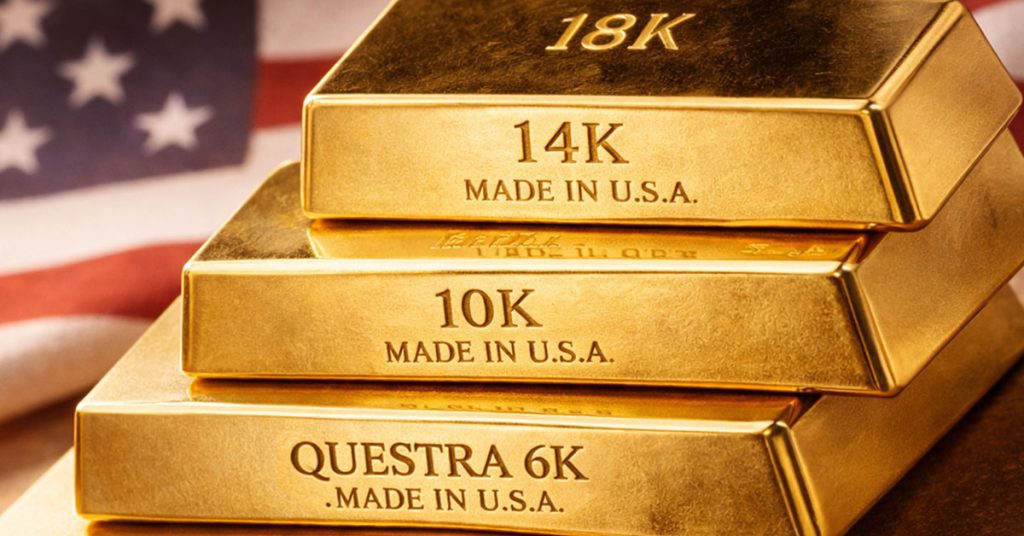
Class Rings Gold 10k, 14k, And 18k are traditional graduation rings made from different gold purity levels, each offering unique benefits in durability, color, and price. Additionally, modern class rings may also include Questra 6k gold, an affordable gold alloy that provides a lower-cost entry into genuine gold jewelry while maintaining classic class ring symbolism.
Gold class rings remain one of the most recognized symbols of academic achievement. Unlike ordinary jewelry, these rings represent years of dedication, persistence, and personal growth. Moreover, today’s class rings offer more customization than ever before. Graduates can choose from multiple gold types, including Questra 6k, 10k, 14k, and 18k gold, depending on budget, durability needs, and design preferences.

Class Rings Gold by Karat

Gold TypeGold ContentDurabilityColor ToneTypical Price Range
Questra 6k Gold25% pure goldDurableLight yellowMost affordable gold
10k Gold41.7% pure goldVery durableLight yellowLower cost
14k Gold58.3% pure goldStrong balanceRich yellowMid-range
18k Gold75% pure goldSofter metalDeep yellowPremium
Custom Gold RingsVariesDepends on alloyVaries$503 – $9,088+

Why Gold Is the Traditional Choice for Class Rings

Gold has long symbolized prestige, permanence, and achievement. Because of its historical significance, it remains the most popular material for graduation rings. Additionally, gold rings can be resized and maintained for decades. This means graduates can continue wearing their class rings throughout their careers and later pass them down as family heirlooms. Modern jewelers often begin with extremely pure gold before creating alloys. For example, many manufacturers start with .9995 pure gold, which is then blended with other metals to create durable karat options. Consequently, this process ensures rings meet strict jewelry manufacturing standards and stamping regulations.

Understanding the Differences Between Questra 6k, 10k, 14k, and 18k Gold

Gold purity is measured in karats. Because pure gold is naturally soft, jewelers mix it with stronger metals to create durable jewelry alloys. However, each gold karat level changes the ring’s strength, color, and price.

Understanding the Differences Between Questra 6k, 10k, 14k, and 18k Gold

Questra 6k Gold Class Rings

Questra is a 6-karat yellow gold alloy containing approximately 25% pure gold. Because it uses less gold than traditional karat levels, it provides an affordable entry into genuine gold jewelry.

Additionally, Questra rings offer a light yellow gold appearance that closely resembles higher karat gold options. As a result, many graduates choose Questra when they want real gold but must stay within a tighter budget.

Another advantage is that Questra rings can be resized, allowing wearers to adjust the ring size later if needed.

Consequently, Questra has become a popular choice for students who want a gold class ring without the higher cost of 10k or 14k gold.

10k Gold Class Rings

10k gold contains 41.7% pure gold combined with stronger alloy metals such as copper or silver.

Because of this composition, it is one of the most durable gold options available. Therefore, graduates who plan to wear their class rings daily often prefer 10k gold.

Moreover, 10k gold remains one of the most affordable traditional gold choices while still providing genuine gold content.

14k Gold Class Rings

14k gold contains 58.3% pure gold, making it the most popular option for class rings.

The higher gold content produces a deeper yellow color compared with 10k gold. Meanwhile, the alloy metals still provide enough strength for everyday wear.

Additionally, many jewelers recommend 14k gold for rings that include gemstones. The metal provides strong stone settings while maintaining a luxurious appearance.

18k Gold Class Rings

18k gold contains 75% pure gold, giving it the richest gold color and the highest precious metal content among common jewelry alloys.

Consequently, this gold type is often considered the premium option for class rings.

However, because the metal contains more pure gold, it is slightly softer than lower-karat options. Therefore, it may require more care if worn daily.

Nevertheless, many professionals and collectors choose 18k gold because of its luxurious appearance and intrinsic value.

Price Range for Gold Class Rings

The price of Class Rings Gold 10k, 14k, And 18k depends on several factors. These include the gold karat level, ring weight, gemstone choices, and customization details. For example, a simple gold class ring may start around $503, while highly customized rings with multiple stones or heavier gold weight can reach $9,088 or more. Additionally, manufacturers now offer over 30,000 customization combinations, allowing graduates to design rings that reflect their personal story.

Gold Compared With Other Class Ring Metals

While gold remains the most traditional option, modern class rings can also be made from alternative materials designed for different budgets.
Metal Type Description Resizable
Palisil Non-precious alloy designed to resemble white gold No
Yellow Palisil Alloy plated in 23k yellow gold No
Black Palisil Gun-metal finished alloy No
Questra Affordable 6k yellow gold Yes
Sterling Silver .925 precious silver Yes
10k / 14k / 18k Gold Traditional gold class rings Yes
For example, Palisil alloys are engineered to mimic the look of precious metals while remaining more affordable. However, genuine gold rings—including Questra, 10k, 14k, and 18k gold—remain the preferred option for graduates seeking long-term durability and lasting value.

Why Factory-Direct Class Rings Offer Better Value

Many schools partner with large ring distributors that add retail markups to each ring. As a result, students often pay significantly more than necessary. Factory-direct jewelry manufacturers eliminate these middlemen. Therefore, graduates receive higher-quality rings while paying closer to the actual manufacturing cost. Additionally, factory-direct companies typically allow more customization options. Instead of selecting from limited catalog designs, buyers can create truly unique rings tailored to their achievements.

FAQ: Class Rings Gold 6k, 10k, 14k, And 18k

What is Questra gold in class rings?
Questra is a 6k gold alloy containing approximately 25% pure gold. It provides a genuine gold ring at a lower cost than 10k gold. Additionally, Questra rings can be resized, making them practical for long-term wear.
The difference lies in gold purity. Questra 6k contains about 25% gold, while 10k contains 41.7%, 14k contains 58.3%, and 18k contains 75%. Higher gold content produces richer color but also increases price.
Many graduates choose 14k gold because it balances durability and appearance. However, Questra 6k provides the most affordable real gold option, while 18k gold offers the most luxurious color and highest gold content.
Yes. Questra contains genuine gold but at a lower karat level. Because of this, it provides the look of gold jewelry while remaining more affordable than higher-karat rings.
Yes. Questra, 10k, 14k, and 18k gold rings can generally be resized by professional jewelers. This makes them more adaptable than certain alternative metals.
Facebook
Twitter
LinkedIn
Reddit
Pinterest
X