
Table of Contents

Class Rings Price in 2026: Affordable Options to Premium Custom Designs

Class Rings Price in 2026: Affordable Options to Premium Custom Designs

Class Rings Price: Complete Guide to Costs, Materials, and Custom Options

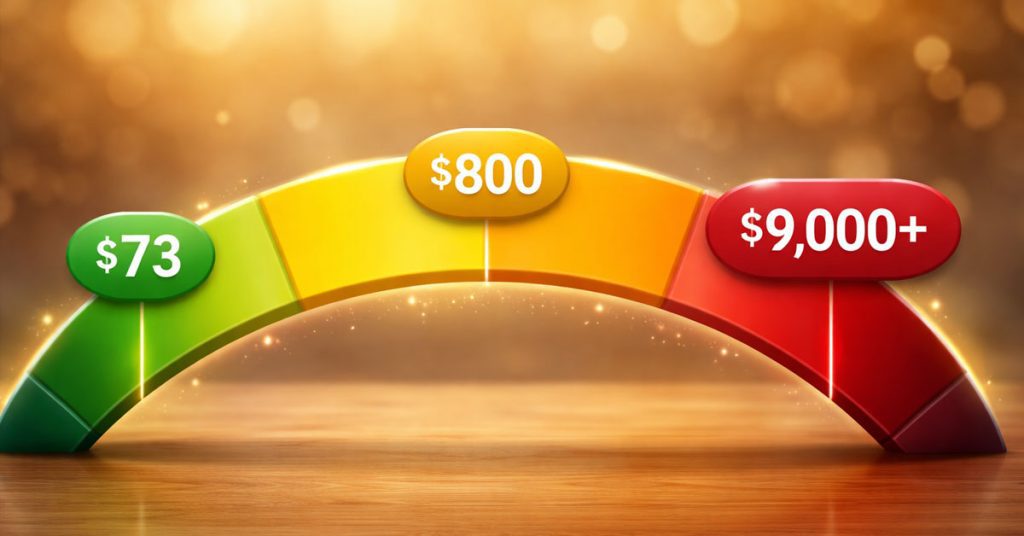
Class rings price typically ranges from about $73 to over $9,000 depending on the metal, gemstones, and customization options. Affordable rings use alloys or sterling silver, while premium rings use solid gold and custom stones. Because each ring is handcrafted and personalized, the final price reflects both materials and design complexity.
Class rings represent one of the most meaningful graduation traditions. Students wear them as a reminder of the years they spent working toward their goals. Meanwhile, families often view them as heirloom jewelry that carries memories across generations. Prices vary widely because every ring can be customized. Some graduates choose a simple design with basic metal. Others prefer detailed rings with gold, diamonds, or personalized engravings. Consequently, the price reflects both craftsmanship and material value.

Typical Class Rings Price Range

Class Ring Price FactorTypical Price RangeWhat Influences the Cost
Budget Alloy Rings$73 – $150Non-precious metals with minimal customization
Palisil or Alternative Metals$100 – $300Durable alloy designed to resemble white gold
Sterling Silver Rings$200 – $600Higher quality metal with resizing ability
Questra 6K Gold Rings$400 – $900Affordable real gold option
10K Gold Rings$700 – $1,500Classic gold durability
14K Gold Rings$1,000 – $3,500Higher purity and prestige
18K Gold Rings$2,000 – $9,088+Premium luxury class rings
Custom Stones & Engraving+$50 – $2,000Birthstones, mascots, and personalization

Why Class Rings Price Varies So Much

Many students are surprised by how widely class ring prices vary. However, several factors determine the final cost. First, the type of metal plays the biggest role. Precious metals like gold are significantly more expensive than alloy alternatives. Meanwhile, silver offers a balance between cost and quality. Second, customization options influence the price. Rings can include birthstones, school mascots, graduation years, and engraved messages. Finally, craftsmanship and manufacturing matter. Some companies mass-produce rings, while others manufacture each ring individually by hand. Because class rings are often worn for decades, many graduates prefer durable metals and quality craftsmanship.

How Metal Choice Affects Class Rings Price

Metal selection is the most important pricing factor. Each metal offers a different balance between cost, durability, and prestige.

Palisil and Alternative Metals

Budget-friendly metals make class rings accessible for most students. One example is Palisil, a non-precious alloy designed to resemble white gold.

Because Palisil is made specifically to fit a student’s finger size, it cannot be resized later. However, it provides a polished appearance at a much lower cost.

Consequently, Palisil rings are popular among students who want the look of fine jewelry without the higher price.

Sterling Silver Class Rings

Sterling silver offers a middle-range option. These rings use .925 silver, meaning they contain 92.5% pure silver.

Silver rings are durable and elegant. Additionally, they can be resized if the wearer’s finger size changes over time.

For many graduates, sterling silver delivers the ideal balance between affordability and long-term wearability.

Gold Class Rings

Gold remains the traditional material for class rings. However, several gold options exist, each with different price levels.

10K Gold
A durable and affordable gold option commonly used for class rings.

14K Gold
Contains more gold content and offers a richer color and value.

18K Gold
Represents the premium tier of class rings with the highest gold content.

Because gold prices fluctuate, class rings made from gold can range from hundreds to thousands of dollars.

Customization and Its Impact on Class Rings Price

Customization transforms a ring from simple jewelry into a personal achievement symbol.

Students often customize several elements:

  • Birthstones or school colors
  • School mascot engravings
  • Graduation year
  • Athletic or academic symbols
  • Personal messages inside the band


Each additional customization slightly increases the price. However, these features create a ring that reflects the graduate’s personal journey.

Therefore, many students see customization as the most valuable part of their class ring.

Why Some Class Rings Cost Over $5,000

Premium class rings often exceed $5,000. While this may seem surprising, the materials and craftsmanship justify the cost.

Luxury rings typically include:

  • Solid 18K gold
  • Multiple diamonds or gemstones
  • Large custom designs
  • Hand engraving
  • Limited production craftsmanship


Because these rings use precious materials and detailed design work, they function as both jewelry and collectible memorabilia.

Some families purchase these rings as heirloom pieces meant to be passed down.

Factory Direct Class Rings vs Retail Markups

Another major factor affecting class rings price is the sales channel. Many traditional class ring companies sell through school programs. While convenient, these programs often include distributor and retailer markups. Factory-direct manufacturers eliminate these middlemen. Consequently, customers often receive the same ring at a significantly lower price. Additionally, factory direct companies usually offer more customization options because they control the manufacturing process. This model allows graduates to invest in craftsmanship rather than retail markups.

The Emotional Value Behind Class Rings Price

Although price matters, class rings represent more than jewelry. Students earn them after years of dedication to education, sports, or personal growth. Every time graduates look at their ring, they remember what they overcame. Consequently, many people say their class ring becomes a lifelong source of motivation. Unlike other graduation gifts, a class ring connects identity, memories, and achievement in one physical symbol. Because of that emotional value, many graduates consider their ring priceless.

Choosing the Right Class Ring for Your Budget

Selecting the right class ring starts with defining your budget.

Students who want affordability may prefer alloy or silver rings. Meanwhile, those seeking a premium heirloom often choose gold.

Consider these factors when deciding:

  • Budget range
  • Preferred metal
  • Customization level
  • Long-term wear
  • Sentimental value


By balancing these elements, graduates can choose a ring that reflects both their achievements and their financial priorities.


FAQ: Class Rings Price

How much does a class ring usually cost?
Class rings typically cost between $73 and $9,000 or more depending on metal type, gemstones, and customization. Budget rings use alloys, while premium rings use gold and diamonds. Most students choose rings in the $200 to $800 range.
Class rings can be expensive because they use precious metals, gemstones, and custom designs. Additionally, each ring is often manufactured individually rather than mass-produced. These factors increase both material and labor costs.
The most affordable class rings usually use alloy metals like Palisil. These rings can start around $73 while still offering customization options such as school mascots and graduation year engravings.
Gold class rings offer durability, long-term value, and classic appearance. Many graduates prefer gold because it lasts for decades and can become a family heirloom.
Some rings can be resized, but not all. Sterling silver and gold rings can typically be resized. However, alloy rings such as Palisil are made to specific finger sizes and cannot be resized.
Yes. In fact, class rings are becoming popular again as personalized graduation jewelry. Many students prefer them because they represent achievement and identity rather than just fashion.
Facebook
Twitter
LinkedIn
Reddit
Pinterest
X