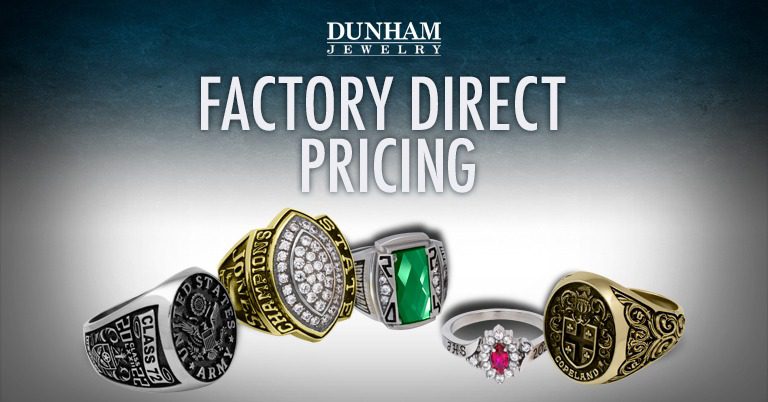
Factory Direct Rings vs Retail Rings?
Factory Direct Rings vs Retail Rings refers to the difference between purchasing jewelry straight from the manufacturer versus buying through a retail store. Factory-direct rings remove middlemen, reduce markups, and offer more transparency in materials and craftsmanship, while retail rings typically include added costs for branding, storefronts, and distribution.
Understanding How Rings Are Sold
Most buyers never see the business side of jewelry. However, how a ring reaches the customer has a direct impact on price, quality, and customization options.
Retail jewelry passes through multiple layers. For example, manufacturers sell to wholesalers, wholesalers sell to retailers, and retailers sell to customers. Each step adds markup. As a result, the final price often reflects overhead rather than materials.
In contrast, factory-direct jewelry shortens the chain. The manufacturer works directly with the buyer, which lowers costs and improves clarity.
Factory Direct Rings Explained
Factory-direct rings are designed, cast, finished, and sold by the same company. Because of this structure, the manufacturer controls every step of production.
Additionally, factories purchase raw materials in bulk. For example, gold is often acquired in near-pure form and alloyed in-house to meet industry standards. As a result, quality control is tighter and material disclosure is clearer.
This model also allows for deeper customization, since design changes do not require third-party approval.
Retail Rings Explained
Retail rings are typically sold through jewelry stores or national chains. These sellers usually do not manufacture the jewelry themselves.
Instead, they purchase pre-designed rings from suppliers. Meanwhile, costs increase due to storefront rent, commissions, advertising, and branding. Consequently, the customer pays more for the same or lower material content.
Retailers often focus on presentation and convenience rather than manufacturing transparency.
Factory Direct Rings vs Retail Rings Comparison
| Factor | Factory Direct Rings | Retail Rings |
|---|
| Pricing Structure | Manufacturer pricing, no middlemen | Multiple markups added |
| Material Transparency | Full disclosure of metal content | Often limited or unclear |
| Customization Options | Extensive, made-to-order | Usually restricted to presets |
| Quality Control | In-house from start to finish | Dependent on suppliers |
| Value for Money | Higher material-to-price ratio | Higher overhead costs |
| Turnaround Time | Direct scheduling | Inventory-dependent |
Material Quality and Metal Sourcing
Material sourcing is one of the most critical differences.
Factory-direct manufacturers typically purchase gold in near-pure form, such as .9995 fine gold. This gold is then alloyed to precise standards, ensuring compliance with the United States National Stamping Act.
Retail rings, by comparison, often rely on pre-alloyed metals sourced from third parties. Therefore, the buyer may not know the origin, purity, or exact alloy composition.
Transparency matters, especially for long-term value.
Customization Capabilities
Customization is where factory-direct rings clearly stand apart.
Because the ring is made to order, changes to stone size, metal type, engraving, or structure can be handled directly by the production team. Moreover, adjustments do not require redesign approvals from external vendors.
Retail rings, however, are often limited to surface-level personalization. Deep structural changes are rarely offered due to supply chain constraints.
Pricing: Why Retail Rings Cost More
Retail pricing is driven by overhead.
For example, retail stores must cover rent, staffing, insurance, national advertising, and brand licensing. As a result, the ring itself becomes only part of what the customer is paying for.
Factory-direct pricing eliminates many of these expenses. Therefore, more of the purchase price goes toward materials and craftsmanship instead of operational costs.
Quality Control and Craftsmanship
When manufacturing and selling happen under one roof, accountability increases.
Factory-direct jewelers oversee casting, finishing, stone setting, and final inspection internally. Consequently, defects are identified early and corrected before delivery.
Retail sellers often rely on return policies rather than preventive quality control, since they do not manage production.
Long-Term Value and Warranty Considerations
A ring is not a short-term purchase. Therefore, warranty coverage matters.
Factory-direct manufacturers typically stand behind their work with lifetime guarantees because they understand the materials and construction methods used. In contrast, retail warranties are often limited or outsourced.
Direct accountability improves long-term peace of mind.
Who Benefits Most From Factory Direct Rings?
Factory-direct rings are ideal for buyers who value:
Students, professionals, military members, and families seeking meaningful custom rings often benefit the most.
Why Manufacturers Like Dunham Jewelry Manufacturing, Inc. Use the Factory-Direct Model
Experienced manufacturers choose factory-direct sales to maintain quality control and trust. By alloying metals in-house and producing rings one at a time, they ensure each piece meets strict standards.
This approach also allows customers to know exactly what they are buying, without inflated pricing or vague descriptions.