What Metals Are Common for Class Rings?
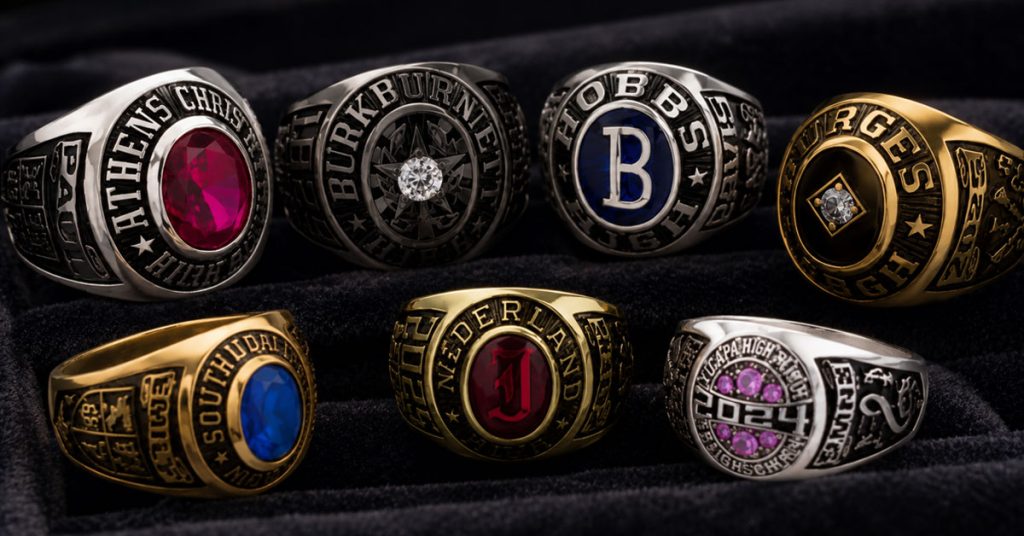
Class rings are commonly made from gold, sterling silver, white gold alloys, and durable non-precious metals such as Palisil. The best class ring metal depends on budget, durability, appearance, maintenance preferences, and whether the ring is meant for daily wear or occasional use.
Modern class ring metal options range from affordable alloy materials to premium handcrafted gold rings. Each material offers different benefits in appearance, strength, long-term value, and customization flexibility.
At Dunham Jewelry Manufacturing, custom class rings are available in:
These materials allow students, graduates, athletes, and organizations to select a ring that matches both personal style and budget.
Why Class Ring Metal Matters
The metal used in a class ring affects durability, weight, appearance, maintenance requirements, resizing ability, long-term value, and cost.
Some people prioritize affordability. Others want precious metal investment value or heirloom-quality durability.
A class ring is also highly personal. Since many people wear these rings for decades, the metal choice matters more than many buyers initially realize.
Most Common Class Ring Metals
| Metal | Category | Appearance | Durability | Price Range | Resizeable |
|---|---|---|---|---|---|
| Palisil | Non-precious alloy | White gold appearance | Very durable | Affordable | No |
| Yellow Palisil | Gold-plated alloy | Yellow gold look | Moderate | Affordable | No |
| Black Palisil | Alloy with gunmetal finish | Dark modern finish | Durable | Affordable | No |
| Questra (6K Gold) | Gold alloy | Warm gold tone | Good | Mid-range | Yes |
| Sterling Silver (.925) | Precious metal | Bright silver finish | Good | Moderate | Yes |
| 10K Gold | Precious metal | Rich gold tone | Excellent | Premium | Yes |
| 14K Gold | Precious metal | Balanced luxury | Excellent | Premium | Yes |
| 18K Gold | Precious metal | Deep gold color | Softer luxury | Highest | Yes |
Palisil Class Rings
Palisil is one of the most popular affordable class ring metals.
It is a durable non-precious alloy designed to resemble white gold while offering strong resistance to everyday wear. Many students choose Palisil because it provides a premium appearance without the cost of precious metals.
Yellow Palisil Rings
Yellow Palisil rings provide the appearance of yellow gold at a lower cost. This option uses a gold-plated finish over a durable alloy base and is best suited for occasional wear rather than heavy daily use.
Black Palisil Rings
Black Palisil offers a bold gunmetal finish with a modern appearance. The darker finish creates strong contrast in engravings and side designs, making mascots, logos, and symbols stand out visually.
Questra Gold Class Rings
Questra is a 6K gold alloy designed as an affordable gold class ring option. It bridges the gap between non-precious alloy rings and higher-karat gold rings.
Sterling Silver Class Rings
Sterling silver remains one of the most traditional class ring materials. Made from .925 silver, it offers a bright reflective appearance, precious metal value, classic styling, and strong customization detail.
10K Gold Class Rings
10K gold is one of the most durable precious metal class ring options. Because it contains a higher percentage of strengthening alloys, it resists scratches and dents better than higher-karat gold.
14K Gold Class Rings
14K gold class rings are considered a premium standard for fine jewelry. They offer rich gold appearance, strong durability, higher gold content, excellent long-term value, and luxury presentation.
18K Gold Class Rings
18K gold contains a higher percentage of pure gold than 10K or 14K. It creates a deeper gold color and richer appearance, but it is softer than lower-karat options.
Which Class Ring Metal Is Most Durable?
- 10K Gold
- Palisil
- Black Palisil
- 14K Gold
Which Class Ring Metal Is Most Affordable?
Affordable class ring metals usually include Palisil, Yellow Palisil, Black Palisil, and Questra.
Which Precious Metal Is Best for Class Rings?
| Goal | Recommended Metal |
|---|---|
| Maximum durability | 10K Gold |
| Luxury appearance | 14K Gold |
| Highest gold purity | 18K Gold |
| Budget-friendly precious metal | Sterling Silver |
| Affordable real gold | Questra |
How to Choose the Best Class Ring Metal
When choosing a class ring metal, consider whether the ring will be worn daily, whether resizing is important, whether authentic gold is a priority, and what budget range makes sense.
Why Custom Class Ring Metals Matter Long-Term
A class ring represents graduation, achievement, identity, school pride, and personal history. Because many people keep class rings for life, choosing the right material helps preserve both appearance and emotional value.