What Are Sterling Silver Family Crest Rings?
Why Sterling Silver Family Crest Rings Still Matter Today
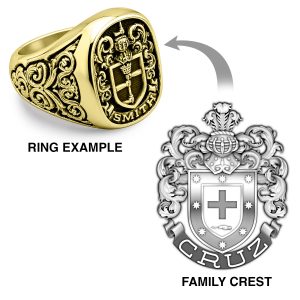
Family crest rings are not just decorative. Instead, they carry deep meaning tied to heritage and identity. Many families use them to preserve history across generations.
Sterling silver, however, changes the equation. It offers a balance between cost and quality, making these rings more accessible. Because of this, more people can own a custom crest without committing to high gold prices.
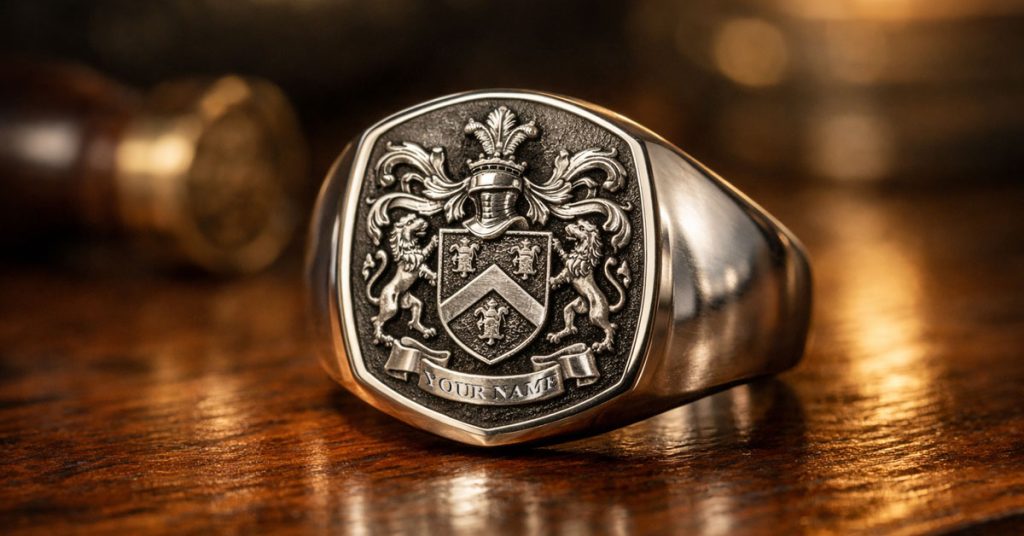
Additionally, sterling silver provides a clean, bright finish. This helps fine engraving stand out clearly. As a result, detailed crests remain sharp and readable over time.
Key Features and Comparisons of Sterling Silver Family Crest Rings
| Feature | Sterling Silver Crest Rings | Gold Crest Rings | Alternative Alloys |
|---|---|---|---|
| Metal Composition | .925 silver | 10k–18k gold | Mixed alloys |
| Price Range | Affordable | High | Low to mid |
| Durability | Strong for daily wear | Very durable | Varies widely |
| Resizing Ability | Yes | Yes | Often limited |
| Detail Visibility | Excellent contrast | Softer contrast | Depends on finish |
| Long-Term Value | High sentimental value | High material value | Lower overall |
Understanding Crest Ring Styles: Raised vs Engraved vs Reversed
Not all crest rings are designed the same way. In fact, the style you choose affects both appearance and function.
Raised designs sit above the surface. These offer bold visibility and strong visual impact. However, they do not function well as wax seals.
Engraved (new traditional) designs cut the image into the surface. This creates a clean, modern look. Yet, the stamped wax result will appear reversed.
Reversed (old traditional) designs are carved backward. Therefore, when pressed into wax, the crest appears correctly. This style is ideal if you want authenticity in sealing documents.
This distinction matters more than most buyers expect.
Oval vs Antique Shapes: Which One Should You Choose?
Shape affects both style and perception.
Oval rings offer a smooth, classic appearance. They are simple, symmetrical, and widely preferred for everyday wear. Because of this, they tend to feel more modern.
Antique shapes, on the other hand, feature softened corners with a slightly rectangular form. These designs feel more traditional and historic. As a result, they often appeal to buyers focused on heritage authenticity.
Choosing between the two depends on your intent. If you want clean and simple, go oval. If you want legacy and tradition, antique may be the better fit.
The Craftsmanship Behind Sterling Silver Crest Rings
Mass-produced rings often lack detail. However, handcrafted rings are different.
Each sterling silver crest ring is typically made one at a time. This allows for sharper engraving and stronger structure. More importantly, it ensures your design is intentional rather than generic.
Because silver is softer than gold, skilled craftsmanship becomes even more important. Proper finishing prevents premature wear and keeps edges crisp.
Dunham Jewelry, for example, emphasizes hand-finishing and precision work. This level of detail directly impacts how the crest looks years later.
Why Sterling Silver Is a Strategic Choice
Many buyers assume gold is always better. That assumption is not always correct.
- Sterling silver offers several strategic advantages:
- Lower upfront cost
- Easier resizing over time
- Strong visual contrast for engraving
- Lightweight comfort for daily wear
Moreover, silver allows buyers to invest more into customization. Instead of spending on metal alone, you can focus on design details that matter.
This makes sterling silver a smarter entry point for custom crest jewelry.
Customization Options That Actually Matter
Not all customization adds value. Some features are purely cosmetic.
The most meaningful options include:
- Accurate family crest engraving
- Ring face style (raised, engraved, reversed)
- Shape (oval or antique)
- Inside engraving (names, dates, mottos)
- Finish (polished vs textured)
Meanwhile, unnecessary add-ons can increase cost without improving meaning. Therefore, focus on elements that reflect your identity.
Customization should tell your story—not just fill space.
How to Choose the Right Sterling Silver Family Crest Ring
Start with purpose. Ask yourself what matters most.
If you want a wearable heirloom, choose durability and comfort. If you want a sealing ring, prioritize reversed engraving. If you want visual impact, go with raised designs.
Next, consider long-term wear. Sterling silver can be resized, which makes it practical for lifetime use.
Finally, evaluate craftsmanship. A poorly made ring will lose detail over time. A well-made one will last decades.
Common Mistakes Buyers Make
Many buyers rush the process. That leads to avoidable mistakes.
One common issue is choosing the wrong engraving style. This affects both look and function.
Another mistake is ignoring resizing limitations. Fortunately, sterling silver avoids this problem.
Lastly, buyers often prioritize price over craftsmanship. However, a cheaper ring may cost more long-term if it wears out quickly.
Avoid these pitfalls by focusing on quality and purpose first.
Long-Term Value and Legacy
A sterling silver family crest ring is not just jewelry. It becomes a symbol.
Over time, it represents family identity, personal history, and achievement. Because it is worn regularly, it holds more meaning than stored items.
Additionally, these rings often become heirlooms. They pass from one generation to the next. This creates continuity and connection.
That long-term emotional value often outweighs material cost.