What Affects the Cost of a Custom Ring
What affects the cost of a custom ring includes metal type and weight, gemstone quality, design complexity, labor time, engraving, sizing, and warranty coverage. Additionally, turnaround time and finishing detail influence pricing. Higher gold content, larger stones, and intricate craftsmanship increase total cost.
Custom rings are not priced randomly. Instead, every dollar reflects a measurable factor. Material weight, stone quality, and labor time drive most of the final number. However, finishing level, resizing ability, and warranty value also matter.
Because custom rings are made to order, there is no “standard price.” Two rings may look similar online. Yet one may cost far more due to gold purity, diamond clarity, or hand-set stones.
Cost Factor Table
| Cost Factor | What It Includes | Impact on Price | Notes |
|---|---|---|---|
| Metal Type | Palisil, Silver, Questra, 10k, 14k, 18k Gold | Moderate to Very High | Higher gold content increases cost |
| Metal Weight | Total grams used | High | Larger rings require more material |
| Stone Quality | Synthetic, natural, diamond upgrades | Moderate to Very High | Diamond clarity and size raise price |
| Design Complexity | 3D modeling, custom molds, detail work | High | More labor = higher cost |
| Labor Time | Casting, setting, polishing | High | Hand-finishing increases value |
| Engraving | Names, dates, custom text | Low to Moderate | Deeper or detailed engraving adds cost |
| Ring Size | Larger finger sizes | Moderate | More metal required |
| Turnaround Time | Rush production | Moderate | Expedited orders may carry fees |
| Warranty Coverage | Lifetime guarantee, resizing | Value-based | Long-term protection adds value |
Metal Type and Gold Content
Metal is the foundation of cost. Therefore, the first pricing driver is what the ring is made from.
Palisil is a non-precious alloy that resembles white gold. It is affordable, but it cannot be resized. Similarly, Yellow Palisil uses 23-karat plating. However, it is not meant for daily wear. The plating can be reapplied for a fee.
Black Palisil offers a polished gun-metal finish. Like other Palisil options, it cannot be resized. Because resizing is not possible, sizing must be exact.
In contrast, Questra is a 6k yellow gold option. It is affordable gold and can be resized. Meanwhile, .925 Sterling Silver also allows resizing.
However, 10k, 14k, and 18k gold rings cost more because gold content increases. As purity rises, material price rises accordingly.
Metal Weight and Ring Size
Even within the same metal, weight changes cost. Larger rings require more grams of material. Consequently, a size 14 ring costs more than a size 7 ring in the same metal.
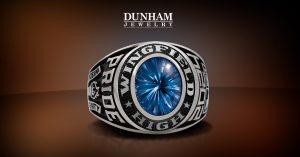
Thicker bands also increase weight. For example, championship rings are heavier than simple signet rings. As a result, they cost more due to raw material volume.
Moreover, gold market pricing fluctuates daily. Therefore, gold ring cost factors often shift with global commodity pricing.
Gemstone Type and Quality
Gemstones significantly affect custom jewelry pricing. Synthetic stones cost less than natural diamonds. However, diamond upgrades can dramatically increase the final number.
Stone size, clarity, color, and cut all matter. A larger center stone adds cost. Additionally, higher clarity diamonds increase value.
Meanwhile, multiple smaller stones require more labor for setting. Therefore, gemstone ring cost includes both material and craftsmanship.
Design Complexity and Customization
Simple designs cost less. However, detailed crests, military emblems, or championship logos require mold creation and hand-finishing.
Complex rings require 3D modeling and prototype adjustments. Consequently, labor time increases.
Deep engraving, side panels, and raised lettering also add to production hours. Because custom molds are built per design, made-to-order ring cost reflects that uniqueness.
Labor Time and Hand Finishing
Machines assist in casting. Yet finishing is often done by hand. Polishing, stone setting, inspection, and detail work require skilled technicians.
The more intricate the design, the more labor hours involved. Therefore, custom ring price factors always include craftsmanship time.
Additionally, quality control ensures durability. Rings that undergo multiple inspection stages may cost more upfront. However, they often last longer.
Engraving and Personalization
Engraving seems minor. However, deeper cuts require additional machining time. Names, graduation years, or custom phrases increase cost slightly.
Laser engraving may cost less than hand engraving. In contrast, interior and exterior engraving together adds more labor.
Although engraving is usually a smaller factor, it still contributes to total pricing.
Turnaround Time and Production Scheduling
Standard production often runs several weeks. However, rush orders may increase cost.
Expedited production requires shifting labor schedules. As a result, priority builds often include added fees.
Meanwhile, complex team orders take longer than single rings. Bulk championship orders may require coordinated scheduling.
Finishing Level and Surface Detail
High-polish finishes require additional polishing stages. Similarly, antique finishes involve oxidation and surface treatment.
Matte finishes may reduce polishing time. However, multi-texture designs increase complexity.
Surface detail influences final labor time. Therefore, finishing level affects custom jewelry pricing more than many buyers expect.
Warranty and Long-Term Value
Warranty coverage adds long-term value. Rings backed by lifetime guarantees may cost slightly more.
However, resizing support, stone tightening, and maintenance services protect your investment.
For example, gold and silver rings can be resized. In contrast, Palisil rings cannot. That difference affects long-term usability.
Therefore, warranty value should be considered part of the total cost equation.
Frequently Asked Questions (FAQ)
What affects the cost of a custom ring the most?
Metal type and gemstone quality usually impact price the most. Higher gold content and diamond upgrades significantly increase total cost. Additionally, design complexity and labor time raise pricing.
Does ring size change the price?
Yes. Larger sizes require more metal. Therefore, heavier rings cost more than smaller ones in the same design.
Are synthetic stones cheaper than diamonds?
Yes. Synthetic stones cost less than natural diamonds. However, diamond clarity, cut, and size dramatically influence gemstone ring cost.
Why do two similar custom rings have different prices?
They may use different metals, stone grades, or labor hours. For example, one may use 18k gold while the other uses silver or Palisil.
Is engraving expensive?
Engraving adds a small cost. However, deep or detailed engraving increases labor time, which affects total price.
Does faster production increase cost?
Yes. Rush turnaround often includes additional fees. Standard timelines are usually more cost-effective.
Post Views: 664