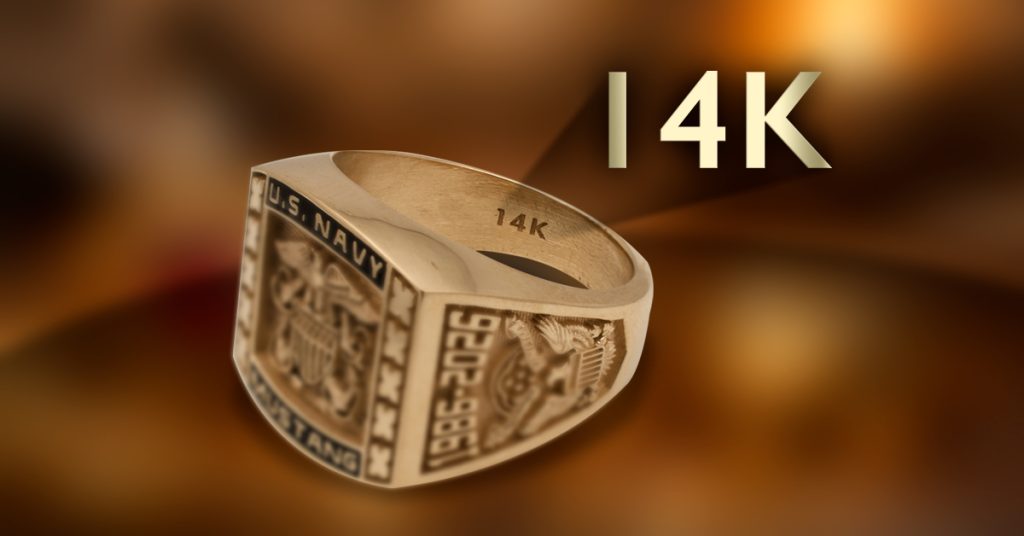
What Gold Purity Means in Custom Rings
Gold purity in custom rings refers to how much pure gold is mixed with other metals in the final piece. It is measured in karats, such as 6k (Questra) 10k, 14k, or 18k. Higher karats contain more gold but are softer, while lower karats are stronger and more durable for daily wear.
Gold purity affects more than price. It changes color, strength, long-term wear, and even how a ring can be resized. Therefore, choosing the right karat is not about status. It is about how the ring will perform over decades.
At Dunham Jewelry Manufacturing, Inc., gold is purchased in its purest form (.9995). It is then alloyed in-house to meet strict industry standards, including compliance with the United States National Stamping Act. As a result, customers know exactly what they are buying.
Gold is purchased in its purest form (.9995)
| Gold Option | Gold Content | Color Tone | Durability Level | Resizable | Best For |
|---|
| Questra (6k Yellow Gold) | ~25% gold | Soft yellow | Very high strength | Yes | Budget-conscious custom rings |
| 10k Gold (Yellow/White) | 41.7% gold | Light yellow or bright white | High durability | Yes | Daily-wear class rings |
| 14k Gold (Yellow/White) | 58.3% gold | Rich yellow or bright white | Balanced strength | Yes | Most popular custom rings |
| 18k Gold (Yellow/White) | 75% gold | Deep yellow or premium white | Softer, more gold-rich | Yes | Luxury statement rings |
Understanding Gold Karats in Simple Terms
Gold karat measures purity out of 24 parts. For example, 24k gold is nearly pure gold. However, pure gold is soft and bends easily.
Because of that, jewelers mix gold with stronger metals like copper, silver, or nickel. This blend creates what is called an alloy. Consequently, lower karat gold is harder and better suited for active lifestyles.
Questra (6k Gold) vs 10k vs 14k vs 18k
Questra is a 6k yellow gold option designed for affordability and strength. It contains less gold, yet it offers excellent durability. Therefore, it works well for students or teams seeking a long-lasting ring at a lower cost.
Meanwhile, 10k gold provides more gold content and maintains strong resistance to scratching. It is often chosen for high school class rings that see daily wear.
In contrast, 14k gold offers a richer color and balanced strength. It remains the most requested option for custom rings because it combines durability with visual warmth.
Additionally, 18k gold contains the highest gold percentage among these options. It has a deeper color and premium feel. However, it is softer and better suited for less aggressive wear.
Durability vs Color: What Matters More?
Durability depends on alloy composition. Lower karats contain more strengthening metals. As a result, they resist dents and scratches better.
Color, on the other hand, becomes richer as gold content rises. For example, 18k yellow gold looks deeper and warmer than 10k. Therefore, buyers must balance appearance with function.
If the ring will be worn daily in sports or physical work, strength matters more. Meanwhile, if the ring is symbolic and worn occasionally, higher gold content may be ideal.
Skipping the Proof Approval ProcessYellow Gold vs White Gold
Yellow gold keeps its natural warm tone. White gold, however, includes metals like nickel or palladium to create a bright finish.
White gold is often coated with rhodium for shine. Over time, that coating may need renewal. Consequently, maintenance expectations should be discussed before purchase.
Both yellow and white gold are available in 10k, 14k, and 18k options. The choice depends on style preference and skin tone.
What the United States National Stamping Act Means for You
The United States National Stamping Act protects consumers. It requires accurate karat marking on gold jewelry.
Therefore, when a ring is stamped 14k, it must legally meet that purity level. At Dunham Jewelry Manufacturing, Inc., all gold is alloyed to meet industry standards before stamping.
This compliance ensures transparency. In contrast, unverified sellers may not meet these strict standards.
The Best Gold for Class Rings
For most class rings, 10k or 14k gold offers the best balance. These options resist daily wear while maintaining attractive color.
Additionally, both can be resized in the future. That flexibility matters for growing students or long-term wear.
18k gold may appeal to buyers wanting premium color. However, it is softer and more costly.
Questra remains a strong alternative for those wanting real gold at an accessible price point.
Long-Term Maintenance Considerations
Gold does not rust. However, alloys affect maintenance needs.
Higher karat gold scratches more easily. Lower karat gold resists wear but may show lighter color.
White gold requires occasional rhodium replating to maintain brightness. Meanwhile, yellow gold typically requires only polishing.
Choosing wisely at the start reduces long-term repair costs.
How Gold Purity Impacts Resizing
Resizing depends on metal structure. Fortunately, Questra, 10k, 14k, and 18k gold rings from Dunham Jewelry Manufacturing, Inc. can be resized.
That matters because hands change over time. Therefore, selecting a resizable option protects your investment.
Some plated or non-precious alloys cannot be resized. Consequently, buyers should always confirm this before purchase.
Why Gold Source and Alloying Matter
Not all gold is handled the same way. Purchasing gold in .9995 pure form allows precise alloy control.
Because of that control, jewelers can meet exact purity levels. It also ensures compliance with stamping laws.
This level of transparency builds trust. In contrast, mass-produced imports may not disclose their alloy sourcing.