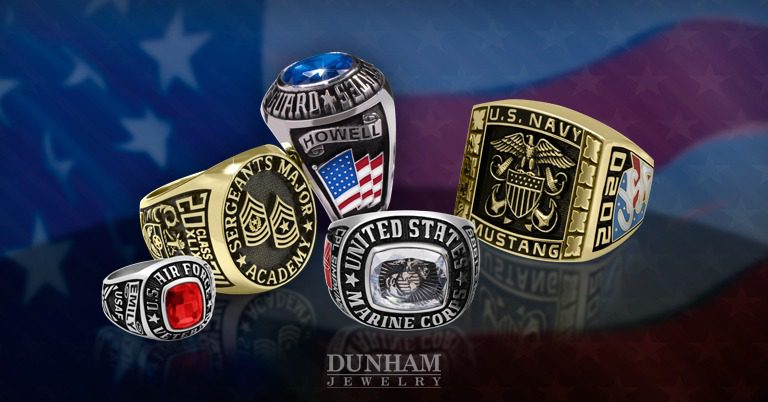
What Is a Military Ring?
A military ring is a customized piece of jewelry worn by service members, veterans, and families to represent honor, service, and affiliation with a specific branch of the armed forces. Typically crafted in precious metals, it features branch emblems, insignia, and engravings that commemorate rank, milestones, or lifelong military pride.
What Is a Military Ring and Why It Matters
A military ring is more than jewelry. Instead, it serves as a permanent symbol of duty, identity, and achievement within the United States Armed Forces. Unlike fashion rings, these pieces are worn with purpose. They mark service milestones, strengthen personal legacy, and create a visible bond with the military community.
Moreover, many service members view their ring as a quiet statement of values. Honor, discipline, and sacrifice are embedded in the design. As a result, military rings are often kept for life rather than replaced or upgraded.
Core Characteristics of a Military Ring
Military rings follow recognizable design principles. However, each ring is ultimately personal. Most designs balance tradition with individual expression, ensuring the ring reflects both the branch and the wearer.
Additionally, these rings are intentionally durable. Since they are worn daily, materials and construction methods prioritize longevity. Consequently, quality craftsmanship is not optional—it is essential.
Military Ring Elements, Materials, and Customization Options
| Category | Details |
|---|
| Primary Purpose | Symbolize military service, pride, and affiliation |
| Common Materials | Yellow gold, white gold, silver, platinum, Palasil-type alloys |
| Design Elements | Branch emblems, unit insignia, mottos, American flag |
| Customization Options | Rank, name, service dates, stones, engraving |
| Who Wears Them | Active duty, veterans, retirees, family members |
| Historical Reference | Military ring tradition linked to West Point (1835) |
| External Reference | Official U.S. military history resources (e.g., Army heritage archives) |
Military Rings by Branch of Service
Each branch has its own visual language. Therefore, military rings are designed to instantly communicate service identity without explanation.
For example, Army rings often feature division insignia or unit numbers. Marine Corps rings typically showcase the Eagle, Globe, and Anchor. Meanwhile, Navy rings may include ship names or rating badges. Air Force rings emphasize wings and flight symbolism. Coast Guard ring designs highlight maritime protection, and Space Force rings reflect modern aerospace identity.
The History Behind Military Rings
The tradition of military rings traces back to the early 19th century. In particular, the U.S. Military Academy at West Point popularized the concept in 1835. Initially, rings marked graduation and officer commissioning.
Over time, the tradition expanded. Today, enlisted members, retirees, and even families participate. Consequently, military rings evolved from academy symbols into universal emblems of service.
How Military Rings Are Worn Today
Traditionally, military rings were worn on the left hand. However, modern practice is more flexible. Many veterans now wear them on the right hand to distinguish service from academic or wedding rings.
Meanwhile, some wearers reserve their ring for formal occasions. Others wear it daily as part of their identity. Ultimately, there is no single correct approach—personal meaning drives usage.
Military Rings as Heirlooms and Family Legacy Pieces
Military rings are often passed down through generations. As a result, they become physical records of family service history. Engravings, wear patterns, and design choices tell stories that photographs cannot.
Because of this heirloom role, craftsmanship matters even more. Rings made one at a time, rather than mass-produced, hold up better over decades. Therefore, manufacturing method directly affects long-term value.
Why Buying Direct From a Manufacturer Matters
Buying direct from a manufacturer eliminates unnecessary markups. More importantly, it ensures transparency in materials and construction. When rings are handcrafted individually, quality control improves significantly.
Additionally, direct manufacturing allows deeper customization. Instead of choosing from limited templates, buyers can tailor details to their service story. Consequently, the final ring feels intentional rather than generic.